
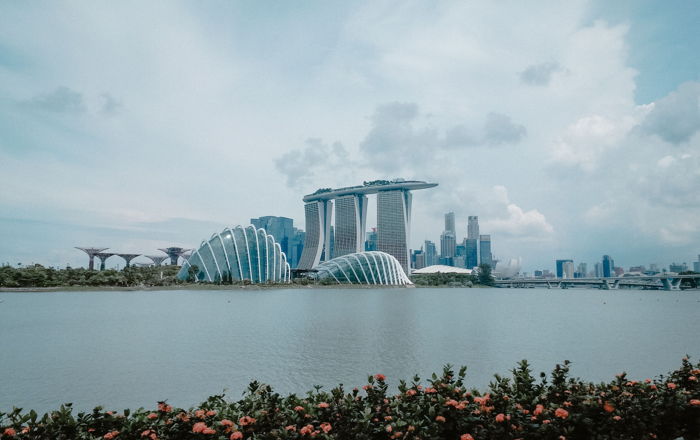
Cross-Border Financial Planning for Americans in Singapore
September 17, 2026
Retirement accounts, healthcare, and even the right to stay and work differently in Singapore. CFP® Ann Marie Regal shares the mistakes Americans most often make when building a financial life in Singapore.
THE ROTH CONVERSION WINDOW MOST AMERICANS IN SINGAPORE DO NOT KNOW THEY HAVE
─────────────────────────────────────────────────
Singapore has no capital gains tax. It has no tax on dividends or interest for most investors. And critically, Singapore imposes no local tax on Roth IRA conversions. That combination puts Americans in Singapore inside one of the most favorable environments for executing Roth conversions available anywhere in the world.
The mechanics are straightforward: contribute to a traditional IRA, do not take the deduction, and convert. The US federal tax on the conversion still applies in full, the FEIE does not reduce Roth conversion income, which is treated as ordinary income regardless of where you live. What Singapore provides is the absence of a second layer of tax. In most countries, a Roth conversion would trigger both US federal tax and local income tax on the same dollars. In Singapore, only the US federal tax applies.
Done consistently over the years you are based in Singapore, this can transform a tax-deferred retirement account into a tax-free one before you return to a US state with full income tax. Most Americans in Singapore are not doing this. Most of their US-based advisors do not know to recommend it. And the window closes the moment you move to a country like Germany or Australia where the conversion would be taxable locally as well.
─────────────────────────────────────────────────
WHY A US-ONLY ADVISOR EVENTUALLY STOPS WORKING ABROAD
─────────────────────────────────────────────────
Keeping your US-based advisor after a move to Singapore is understandable. The relationship is established, the portfolio is familiar, and the move might only be two or three years anyway. But the problems compound quietly over time.
A US advisor builds US-centric portfolios, often 80% or more in S&P 500 equivalents, because that is the world they know and the benchmarks they are measured against. They are not watching the energy in Asia or thinking about currency exposure in Singapore dollars. They almost certainly do not know about the Roth conversion opportunity the Singapore tax environment creates. And MAS regulations mean they are technically not authorized to advise residents in Singapore anyway.
What Ann Marie sees consistently is that after a year or two, the advice stops being relevant to the actual life the client is living. The moment that happens is the right moment to find an advisor who holds both MAS licensing and SEC registration.Want more insight like this on building a financial life abroad? Subscribe to the Passport To Wealth® newsletter.
─────────────────────────────────────────────────
THE ROTH CONVERSION MOST AMERICANS IN SINGAPORE NEVER DO
─────────────────────────────────────────────────
Singapore has no capital gains tax and no tax on dividends or interest, which makes it one of the more favorable environments for a Roth IRA conversion strategy: moving money from a traditional IRA into a Roth while living somewhere that won't tax the conversion itself. Most high earners in Singapore make too much to contribute directly to a Roth, but conversions remain available, and few take advantage of them.
─────────────────────────────────────────────────
THE CPF SITUATION FOR AMERICAN TAXPAYERS
─────────────────────────────────────────────────
Singapore's Central Provident Fund is one of the most thoughtfully designed retirement savings systems in the world for Singaporeans and permanent residents. For Americans, the picture is more complicated — and it differs depending on how a person is employed.
Americans on employment passes are generally not eligible for CPF at all. They cannot contribute to it, and it does not apply to their employment arrangement.
For the Americans who do have CPF access — typically those who have obtained Singapore permanent residency — CPF is a cash retirement account, not an investment account. It holds cash and earns a government-guaranteed interest rate: 2.5% in the ordinary account, 4% in the special retirement account, and a separate medisave account for healthcare. The funds are not invested in securities in the conventional sense; they earn a fixed interest rate set by the government.
The problem for US taxpayers is not PFIC classification. CPF itself is not a PFIC, and Americans who hold CPF accounts are not holding foreign investment vehicles in the PFIC sense. The problem is simpler: the interest earned in CPF is still taxable in the US as ordinary income. The 4% interest in the special account looks attractive until you apply a 37% federal tax rate for clients in their peak earning years. The effective return becomes approximately 2.5% net — in a system where the funds have limited repatriation flexibility compared to a US brokerage account.
A separate and more serious issue arises from employer-provided CPF-equivalent accounts. Some employers offer CPF-like retirement accounts to employees who are not eligible for the actual CPF — typically expats on employment passes. Unlike real CPF, these employer accounts are often invested in funds. Those underlying investments create PFIC classification issues under US tax law, triggering complex annual reporting and potentially punitive tax treatment. This is where the PFIC problem actually lives: not in CPF itself, but in the invested CPF-like accounts that employers sometimes provide as a substitute.
For most Americans in Singapore, whether through CPF or employer-equivalent accounts, the Roth conversion remains a more productive use of planning energy.
─────────────────────────────────────────────────
THE MISTAKES ANN MARIE UNWINDS MOST OFTEN
─────────────────────────────────────────────────
After more than a decade of working with Americans in Singapore, Ann Marie sees the same patterns at intake. Clients arrive with too much cash accumulating in Singapore dollar bank accounts earning 0.01% because they did not know they could invest it. They have not been saving or investing during what they thought would be a two- or three-year assignment that became six. They have no tax reserve set aside for Singapore tax bills, which are paid monthly in arrears and create a significant liability when people leave without having planned for it.
The most expensive mistakes involve bank products. Singapore banks are aggressive salespeople and most of the products they push to expat clients are not in the client's interest. Ann Marie has seen clients walk in with 28 insurance policies. She has seen endowments and whole-life products purchased on leverage against portfolios. She has seen clients who could not describe what they owned because the relationship manager could not explain it either. If you do not understand what you are buying, do not buy it.
─────────────────────────────────────────────────
WHAT DUAL REGULATION ACTUALLY MEANS FOR CLIENTS
─────────────────────────────────────────────────
Avrio Wealth holds both a MAS Capital Markets Services License and SEC registration. The combination matters beyond the regulatory checkbox it represents.
MAS requires quarterly financial filings, professional indemnity insurance, audits, and approval for every material business decision. SEC registration adds a parallel layer of compliance, reporting, and fiduciary obligation. Running a firm under both regulators is operationally demanding. It is also exactly the structure that protects a US-connected client in Singapore: they have two regulators with jurisdiction over their advisor, neither of whom is on the other side of the Pacific.
The alternative, relying on an advisor at a local firm who says they can work with Americans, means relying on someone with neither the regulatory obligation nor the training to navigate both systems. The cost of getting it wrong in Singapore, where a Roth conversion window closes the moment you move and a CPF decision is difficult to unwind, is not small.
─────────────────────────────────────────────────
THE BOTTOM LINE FOR AMERICANS BUILDING A LIFE IN SINGAPORE
─────────────────────────────────────────────────
The Singapore tax environment creates genuine wealth-building opportunities for Americans that most US-based advisors will never identify, and most local advisors will never understand. The Roth conversion window — Singapore imposes no local tax on conversions, meaning only US federal tax applies rather than a double layer — and the ability to build tax-free retirement assets while based in Asia are real advantages available to Americans in Singapore right now. They are also time-limited. The window closes when you move to a country that taxes the conversion locally as well, and it closes permanently if the years in Singapore pass without action.
Find a fiduciary advisor who holds both MAS licensing and SEC registration, understands both systems, and is not trying to sell you anything. That advisor exists.
──────────────────────────────────────────
CHAPTER TIMESTAMPS
──────────────────────────────────────────
00:00 – From a Two-Year Plan to a Career: Building an Expat Financial Firm
04:16 – How to Build a Licensed, Fee-Only Financial Advisory Practice
10:32 – Why a US-Only Financial Advisor Stops Working Once You Move Abroad
16:32 – The Roth Conversion Strategy Most Americans in Singapore Miss
22:54 – Why Singapore's CPF Doesn't Work Well for American Expats
24:53 – The Visa Renewal That Decides If You Can Stay in Singapore Long Term
──────────────────────────────────────────
ABOUT THE GUEST
──────────────────────────────────────────
Ann Marie Regal, CFP®, is the founder of Avrio Wealth, based in both Singapore and New York City. She was one of the first financial planners to build a licensed, fee-only practice serving globally mobile US-connected families in Asia.
─────────────────────────────────────────────────
ABOUT YOUR HOST
─────────────────────────────────────────────────
Arielle Tucker, CFP® & IRS Enrolled Agent with Connected Financial Planning, is a cross-border financial planner based in Switzerland helping Americans living abroad navigate U.S. taxes, international investments, and cross-border financial planning.
─────────────────────────────────────────────────
ABOUT PASSPORT TO WEALTH®
─────────────────────────────────────────────────
Passport To Wealth® is the platform for current and aspiring US expats looking for trusted, fiduciary support. We connect globally mobile Americans with expert, licensed cross-border financial advisors, tax professionals, and relocation experts who understand the financial and legal complexities of life abroad. For guidance tailored to your specific situation, book a paid expat expert consultation today.
STAY CONNECTED
- Subscribe to Our Newsletter: https://www.passporttowealth.com/contact/
- Instagram: https://www.instagram.com/passporttowealthofficial/
- LinkedIn: https://www.linkedin.com/company/passport-to-wealth/
──────────────────────────────────────────
This episode is for educational purposes only and does not constitute tax, legal, or financial advice. Individual circumstances vary. Consult a qualified cross-border financial professional before making any financial or tax decisions.