
U.S. Expats: Say Goodbye to Citizenship Based Taxation and Join the Tax Fairness Movement
In this episode of Passport To Wealth®, host Arielle Tucker, CFP®, EA, sits down with Brandon Mitchener, Executive Director of Tax Fairness for Americans Abroad, to discuss one of the most pressing challenges facing U.S. expats today: citizenship-based taxation. Brandon, who has spent more than 35 years living and working in Europe, brings both professional expertise and deeply personal experience to this fight. A former journalist for the Wall Street Journal and now a Brussels-based communications consultant, he knows firsthand how U.S. tax laws create barriers for Americans abroad, affecting careers, investments, and even marriages.
"It's absurd that I'm still paying taxes to a country I haven't lived in for 35 years and where I have no source of income."
What Is Citizenship-Based Taxation?
The U.S. is one of only two countries in the world, the other being Eritrea, that taxes citizens on their worldwide income regardless of where they actually live. For Americans abroad, this means filing annual U.S. tax returns even if no U.S. income is earned, paying thousands in accounting and compliance fees often with no U.S. tax liability, facing restricted access to banking, investments, and retirement accounts, and navigating punitive penalties for minor mistakes in complex reporting like FATCA and FBAR.
As Brandon explains, this creates a competitive disadvantage for U.S. expats compared to their non-American peers. Local colleagues can open bank accounts, invest, and plan for retirement with ease, while Americans abroad face compliance roadblocks and extra costs at every turn.
The Case for Residence-Based Taxation
Brandon and the Tax Fairness for Americans Abroad campaign are advocating for the U.S. to adopt residence-based taxation, the global norm. Under this system, citizens are taxed based on where they actually live and earn income, not on the basis of their passport.
"Every other democratic country in the world uses residence-based taxation. It's common sense."
If adopted, Americans abroad would file and pay taxes only in their country of residence, simplifying compliance and removing the double burden that currently exists.
Why Now? A Unique Moment for Reform
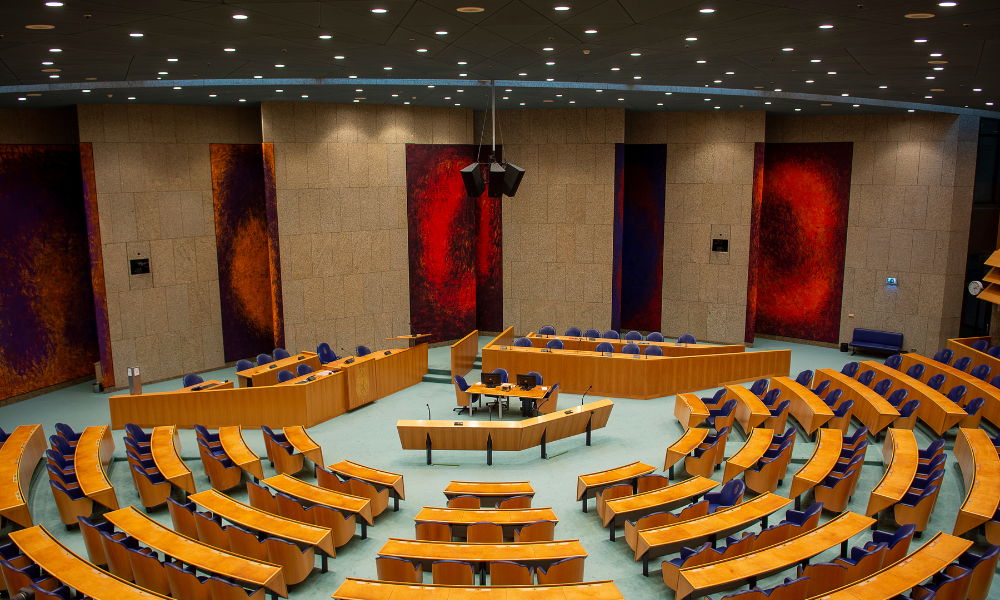
Brandon believes the stars are aligning for real change. For the first time, bipartisan organizations, from Democrats Abroad to Republicans Overseas, are uniting behind a shared proposal. In late 2023, Representative Darin LaHood introduced the Residence-Based Taxation for Americans Abroad Act in Congress. Though procedural hurdles kept the measure out of broader tax reform packages, momentum is building. With strong advocacy and grassroots stories from expats, this could be the moment when Congress finally listens.
The Human Toll of an Unfair System
The conversation also highlights how citizenship-based taxation harms ordinary people, not just the wealthy: young professionals abroad who can't open bank accounts, families where non-U.S. spouses restrict finances to avoid IRS scrutiny, women left financially vulnerable during divorce because their names aren't on accounts, and everyday expats paying $2,000 or more annually just to stay compliant.
As Arielle notes, many Americans abroad don't actually owe U.S. taxes, but still face crippling costs just to prove it. Regardless of where the policy debate lands, understanding how to file FBAR living abroad and the rest of your annual reporting obligations isn't optional in the meantime, and getting it wrong is often more expensive than getting help.
How Expats Can Help Push for Change
Brandon urges Americans abroad to get involved in the movement: share your story, since lawmakers need to hear how these policies affect real lives; contact your representatives to ask them to support residence-based taxation legislation; and join advocacy groups like Tax Fairness for Americans Abroad and other coalitions amplifying expat voices.
"Don't give up hope. For the first time, we have bipartisan support, a president who has pledged to act, and legislation in motion. What we need now is for Americans abroad to raise their voices."

What This Means for Your Finances Today
Policy change, if it comes, will take years. In the meantime, the compliance burden Brandon describes is real, and it's exactly the kind of ongoing cost that erodes what should otherwise be growing wealth. Building expat wealth management into your plan now, rather than waiting for Congress to act, is the difference between treating compliance as a recurring tax and treating it as a manageable, predictable part of your financial life abroad.
You May Also Like
- Helping Americans GTFO and Relocate Abroad, on picking a country before you've figured out the paperwork
- Understanding U.S. Taxes and Business Structures for U.S. Expats in Spain, for anyone building a business abroad rather than just living there
- American in Paris: Building a Life and Business Abroad, on the cost of learning U.S. tax rules the hard way
About the Author
Arielle Tucker, CFP®, EA, is a cross-border financial planner, founder of Connected Financial Planning and the host of Passport To Wealth®, helping U.S. expats simplify their finances while building intentional, global lives. She brings firsthand experience navigating cross-border tax and relocation planning to every client conversation. Ready to build your own financial roadmap for life abroad? Schedule a paid expat expert coaching call with her directly.